Entry #7: Not So Fresh
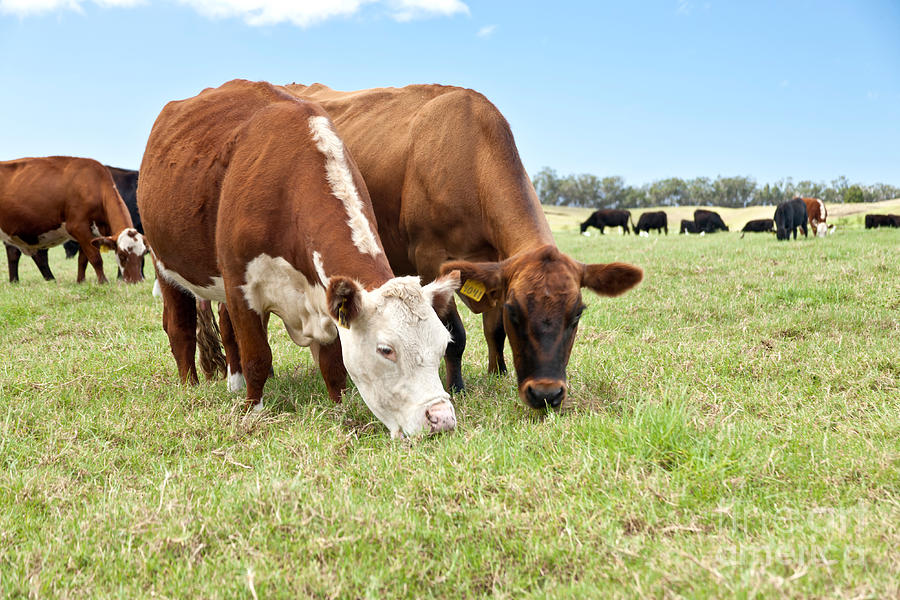
"Fresh", a documentary made in 2009 takes a look at the practices and effects of modern industrial farming and compares it to more ethical and sustainable organic farming methods. I wish I was more shocked by what I saw. But for better or worse, I was well aware of much of the movies contents. I've not managed a complete transition into whole, organic foods, but I know that I need to and why.
I will admit I was surprised to find out how much more viable organic farming could be; not only in the matter of ecological sustainability, but also the economic viability. If the information given out in the film is accurate, organic farming could genuinely improve the quality of food in general and still be able to make a significant profit. It's not just about the income made from selling your crops and livestock but a decrease in the costs associated with running the farms. Apparently the steps necessary to sustain common industrial farming, that is the cost of drugs, specialized feed, fertilizers, and waste disposal, can account for more than half of a farms expenses. And these are not costs that are actually necessary for all farming.
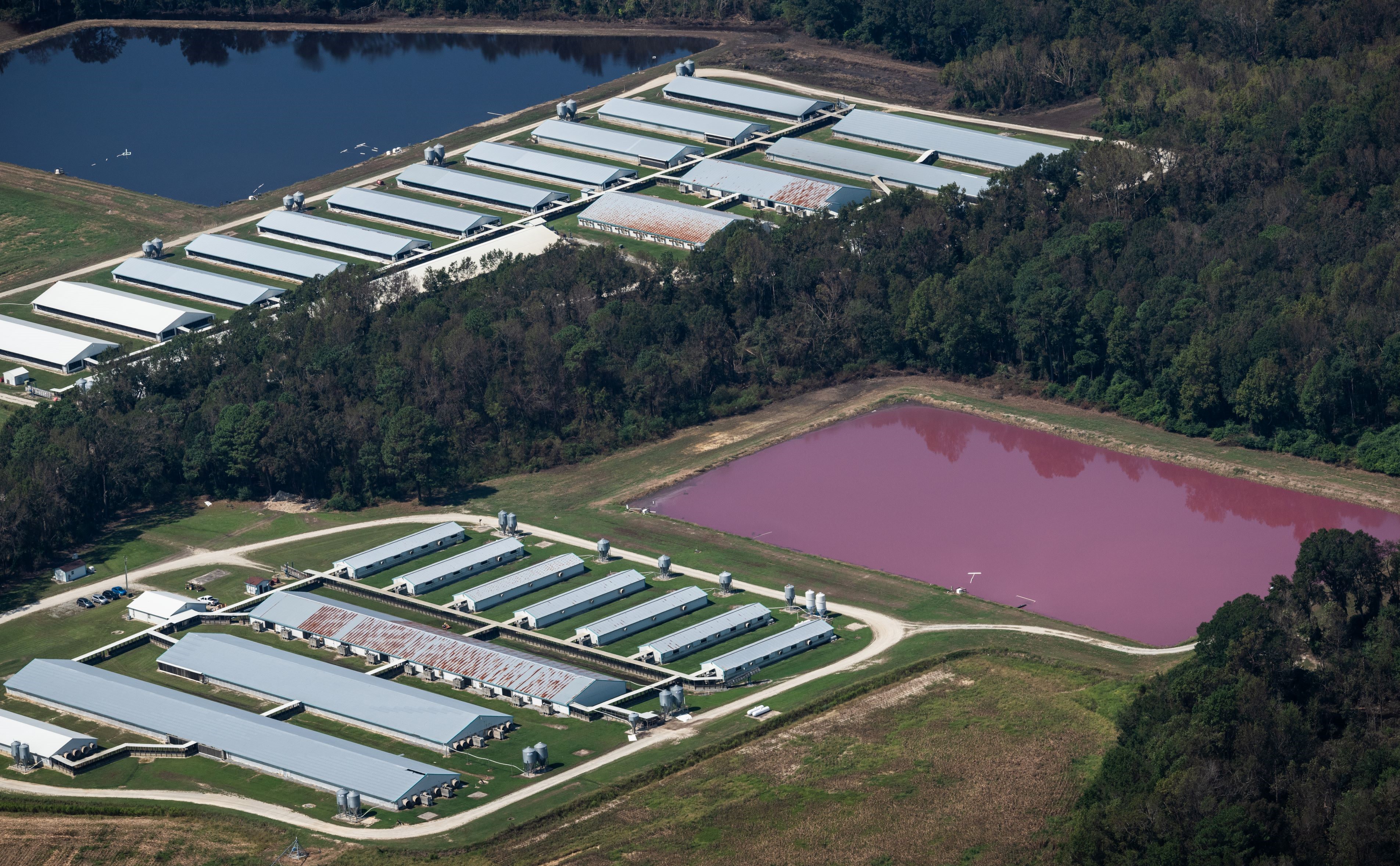
Animals are currently being fed foods they are not meant to digest in favor of faster growth. Their waste is simply being dumped; allowed to fester in pools and invite further depletion to the environment. This cycle leave the animals weak and sickly. It destroys the natural environment nearby. And it leaves the process vulnerable to singular outbreaks or disasters; leaving people reliant on them starving. Organic farms have eliminated the need for steroids, antibiotics,
fertilizers, and specialized factories for processing their output.
Instead, favoring natural rotations of crops and livestock that support
each other and improve the quality of every crop and animal raised,
instead of depleting the area and inviting disease into their animals.
Fixing it really is a fascinating but simple cycle. Animals allowed to graze in the natural environment are eating what their bodies are designed for. They fertilize the area naturally, which allows crops to be planted on healthy soil. That gets harvested and the remains feed another group of livestock. Simple. Natural. Even in urban situations projects can be set up to allow fish raised in tanks to fertilized crops in greenhouses. These options are available and viable, for everyone.
The general outlook of the film is trying to encourage a shift from current practices into these more
sustainable farms. A couple of the experts even suggest that if proper steps are taken we could shift the entire farming industry into organic farms within a few decades. This is not without it's challenges, obviously. The food industry does not want this to happen, in any way. They have spent decades and billions of dollars molding the entire food process to maximize their own profits. They have sacrificed nutrition and ecological damage for fast and easy. And unless people are willing to make changes of their own, it will remain that way.
Thankfully it doesn't have to be like this permanently. There are simple steps that can be taken to "change the paradigm." Shopping more at local grocery stores, getting products from farmers markets, or simply buying more produce and less prepackaged foods can encourage the changes needed to make this situation better. It's a matter of small steps taken bye individuals to make large changes.
So take a minute to see if you've got a market nearby, or if there are any workshops in your area that could help you make some change, any change. I can speak from personal experience that it can be done, even on tight budgets, and you can really feel the difference in the food. It does take a little time getting used to a new structure, but I can assure you it has benefits beyond your stomach, and wallet.


It's crazy to think that the shock factor isn't there for us anymore, how sad is that. You're completely right about the food industry prioritizing profit and efficiency, another sad reality. I hope that the simple steps demonstrated in Fresh can become more common in our society. Do you know of any markets in Arizona that offer quality like the farmers in the documentary?
ReplyDelete